
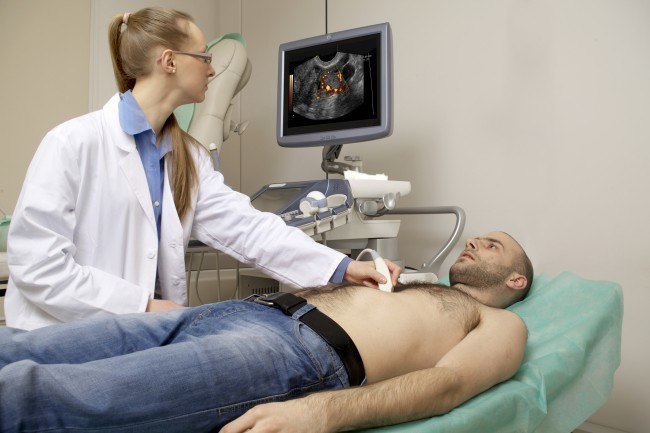
An Echocardiogram, commonly known as an ECHO test, is a painless and non-invasive ultrasound scan of the heart. It uses high-frequency sound waves to create detailed images of the heart’s chambers, valves, walls, and blood vessels — helping doctors evaluate how well your heart is functioning.
Why is an ECHO Test Done?
Your doctor may recommend an ECHO test to:
- Assess overall heart health and pumping strength
- Detect valve abnormalities or leaks
- Identify congenital heart defects
- Evaluate symptoms like chest pain, shortness of breath, or irregular heartbeat
- Monitor heart conditions over time or after surgery
In short, it’s an essential diagnostic tool to detect heart diseases early and guide treatment decisions.
Types of Echocardiography
There are different types of ECHO tests depending on your condition:
- Transthoracic Echocardiogram (TTE):
The most common type — a probe is moved over your chest to capture heart images. - Transesophageal Echocardiogram (TEE):
A special probe is passed through your esophagus for clearer, close-up images of the heart. - Stress Echocardiogram:
Done during or after exercise to evaluate how your heart performs under stress. - Doppler Echocardiogram:
Measures blood flow speed and direction through the heart and vessels.
How to Prepare for an ECHO Test
- No special preparation is usually needed for a standard ECHO.
- For a stress or transesophageal ECHO, your doctor may ask you to avoid food, caffeine, or certain medicines before the test.
- Wear comfortable clothes and follow your cardiologist’s guidance.
During the Procedure
The test usually takes 20–40 minutes.
You’ll lie on an examination table while a technician applies a gel and moves a small probe over your chest. Sound waves from the probe create real-time images of your heart on a screen. The process is completely safe and painless.
Benefits of the ECHO Test
- Non-invasive and radiation-free
- Quick, accurate, and safe
- Helps detect heart problems early
- Essential for long-term cardiac monitoring
When to Consult Your Cardiologist
If you experience chest discomfort, fatigue, shortness of breath, palpitations, or swelling in the legs, your doctor may suggest an ECHO test to rule out heart issues.
Conclusion
The ECHO test is a vital tool in modern cardiology — offering a clear, detailed view of your heart’s structure and function without any discomfort. Regular check-ups and timely tests like ECHO can help prevent major heart complications and keep your heart healthy for life.